Why Robotic Vision Is Vital for Advancing Accuracy in Production Industries
Robotic vision has become an essential part in modern-day production. It equips machines to evaluate aesthetic data with impressive accuracy. This capacity enhances quality assurance and minimizes the probability of problems. As industries undertaking for better effectiveness, comprehending the intricacies of robotic vision ends up being important. The interaction between technology and operational processes increases vital concerns about future innovations and their implications. What exists ahead for precision in production?
Comprehending Robotic Vision Modern Technology

Enhancing Quality Assurance With Robotic Vision
Increasing Operational Performance Via Automation

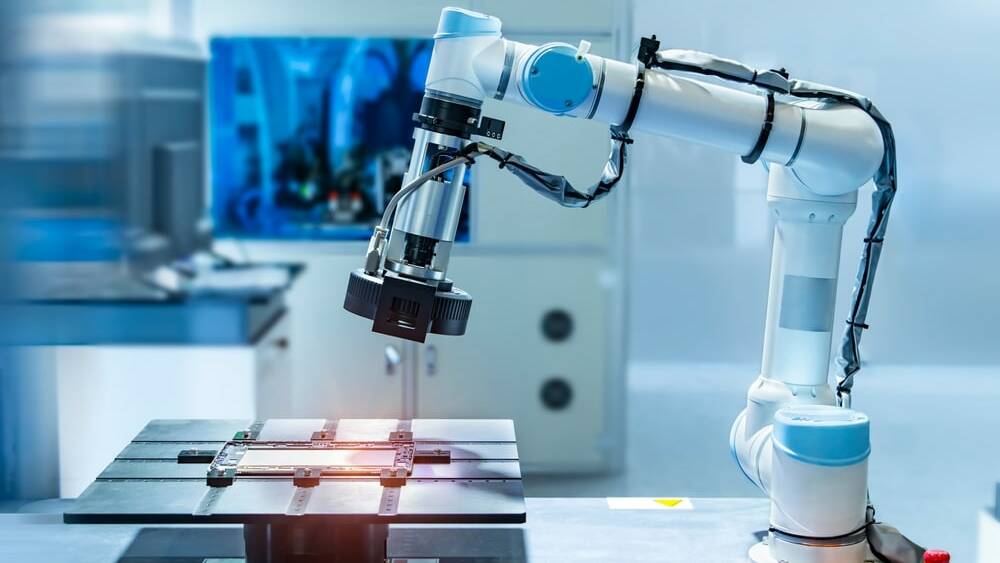
Automating production procedures with robotic vision significantly boosts production speed, enabling quicker turnaround times. This modern technology likewise minimizes error rates, ensuring higher precision in operations. Furthermore, structured resource management is achieved, bring about much more effective use of materials and labor.
Enhanced Manufacturing Rate
While the assimilation of robotic vision in manufacturing has actually changed functional procedures, its most considerable advantage lies in enhanced production speed. By utilizing innovative picture processing and real-time data analysis, robotic vision systems can swiftly recognize and react to manufacturing demands. This increased responsiveness gets rid of delays typically associated with hands-on inspection and decision-making procedures. Furthermore, these systems can run constantly without exhaustion, guaranteeing that assembly line preserve high throughput. The ability to identify and deal with concerns instantly better improves process, allowing producers to maximize outcome levels (optical measurement system). Business benefit from lowered cycle times and boosted performance, positioning them competitively in the market. Enhanced manufacturing rate, driven by robotic vision innovation, ultimately causes boosted operational performance throughout the manufacturing landscape
Reduced Mistake Fees
As manufacturing rate increases, maintaining accuracy ends up being critical in producing procedures. Robotic vision systems considerably add to reduced error prices by supplying exact measurements and real-time assessments. These innovative systems make use of high-resolution electronic cameras and innovative algorithms to discover flaws, imbalances, or incongruities in products during setting up. By automating quality control, manufacturers can promptly determine and remedy concerns that human assessors may neglect. This not just lessens waste however additionally enhances total item quality. In addition, the combination of robotic vision decreases variability in manufacturing, making certain that each product fulfills rigorous specs. Producers experience fewer costly recalls and boosted consumer satisfaction, eventually leading to an extra effective and profitable functional version.
Streamlined Source Management
Efficient resource monitoring is important for maximizing functional effectiveness in production, particularly when integrated with robotic vision systems. These systems improve the capability to keep track of and designate sources precisely, making certain that materials and labor are used efficiently. By employing innovative visual innovations, makers can recognize inefficiencies in actual time, reducing waste and enhancing production timelines. In enhancement, robotic vision makes it possible for precise inventory tracking, minimizing the risk of overstocking or stockouts. Automation of these processes not only improves operations but also allows human employees to concentrate on higher-value jobs, fostering development and performance. As an outcome, companies can accomplish significant price financial savings while preserving top notch criteria, ultimately placing themselves more competitively in the market.

Minimizing Human Error in Production Processes
Human error stays a significant challenge in making processes, typically causing costly blunders and inadequacies. In environments where precision is paramount, also small lapses in judgment can cause malfunctioning items or delays in manufacturing timetables. Robotic vision systems can mitigate these risks by offering exact site link and constant tracking of making operations. By automating jobs such as high quality control and setting up line evaluations, these systems lower the reliance on human oversight, thereby lessening the capacity for errors.Moreover, robotic vision technology enhances data accuracy, enabling real-time adjustments based upon aesthetic comments. This capacity guarantees that any type of inconsistencies from established standards are promptly identified and remedied, better minimizing the chance of errors. As producers increasingly embrace robotic vision, they can anticipate not only to boost precision and efficiency yet also to foster a safer working environment by alleviating the pressure on human drivers.
The Duty of Artificial Intelligence in Robotic Vision
Expert system markedly improves robotic vision by employing artificial intelligence formulas and progressed image handling techniques. These innovations make it possible for robots to analyze aesthetic data with greater precision, boosting both effectiveness and accuracy in producing setups. Therefore, the combination of AI into robotic vision systems stands for a crucial innovation in automation.
Artificial Intelligence Algorithms
Equipment discovering formulas are revolutionizing robotic vision in manufacturing by allowing makers to interpret and evaluate visual information with remarkable precision. These algorithms enable robotics to pick up from vast datasets, adjusting to new scenarios and boosting their performance gradually. By leveraging strategies such as monitored and not being watched discovering, robotic systems can identify patterns and abnormalities in real-time, which improves quality assurance and reduces waste. Furthermore, artificial intelligence helps with far better decision-making procedures, enabling robots to optimize their activities based upon discovered experiences. As these algorithms develop, they encourage robotic vision systems to execute increasingly complicated jobs, inevitably driving efficiency and precision in manufacturing procedures. The assimilation of equipment learning consequently plays a critical role in the development of robotic vision modern technology.
Photo Handling Methods
Enhancing the capabilities of robotic vision, image processing methods play an important role in enabling systems to interpret aesthetic details properly. These techniques entail formulas that enhance picture top quality, essence pertinent features, and recognize patterns within visual data. By making use of methods such as side detection, division, and things recognition, robotic systems can recognize and classify components with amazing precision. The combination of man-made knowledge better amplifies these methods, permitting for adaptive understanding and boosted decision-making in vibrant environments. Consequently, robotic vision systems can not just spot flaws but also enhance procedures, resulting in boosted efficiency and precision in production. The continuous improvement of photo processing strategies stays critical to the development of robotic vision in industrial applications.
Future Trends in Robotic Vision for Production Industries
As markets significantly prioritize efficiency and precision, the advancement of robotic vision technology is readied to change making procedures substantially. Future patterns indicate substantial innovations in expert system and machine discovering assimilation within robotic vision systems. These enhancements will improve real-time decision-making capacities, permitting robotics to adjust to varying conditions autonomously. The adoption of 3D vision systems is anticipated to enhance, offering even more accurate spatial awareness and things acknowledgment. Cooperations in between robots and human employees might also progress, with sophisticated vision systems helping with much safer and much more reliable communications. Furthermore, the usage of side computing will likely enable faster data processing, lowering latency and enhancing operational responsiveness. As these fads unfold, the manufacturing industry important link stands to gain from boosted top quality control, reduced waste, and streamlined operations, inevitably resulting in enhanced competition in a quickly altering market.
Often Asked Concerns
Exactly How Does Robotic Vision Differ From Standard Machine Vision Solutions?
Robotic vision includes advanced formulas and real-time handling, making it possible for dynamic analysis and communication with atmospheres. In comparison, conventional maker vision largely concentrates on static photo capture and analysis, restricting flexibility and responsiveness in complex manufacturing circumstances.
What Industries Benefit Many From Robotic Vision Modern Technology?
Numerous markets profit greatly from robotic vision technology, including automobile, electronic devices, and food processing. These sectors take advantage of improved accuracy, performance, and flexibility, eventually improving manufacturing high quality and decreasing you can look here functional expenses via advanced automation solutions.
Can Robotic Vision Systems Be Integrated With Existing Manufacturing Equipment?
Robotic vision systems can without a doubt be integrated with existing production devices. This integration improves operational effectiveness, enabling seamless cooperation between conventional equipment and advanced visual modern technology, ultimately enhancing overall manufacturing procedures and outcomes.
What Are the Costs Related To Carrying Out Robotic Vision Solutions?
The expenses related to applying robotic vision solutions vary significantly, affected by variables such as system intricacy, required software application, hardware components, integration with present machinery, and recurring upkeep expenses, eventually influencing total return on financial investment.
Just how Do Maintenance and Assistance for Robotic Vision Solutions Work?
Upkeep and support for robotic vision systems entail regular software program updates, equipment assessments, and troubleshooting. optical fibre diameter analyser. Vendors generally offer service arrangements, ensuring prompt support and lessening downtime to keep peak performance and integrity in commercial applications